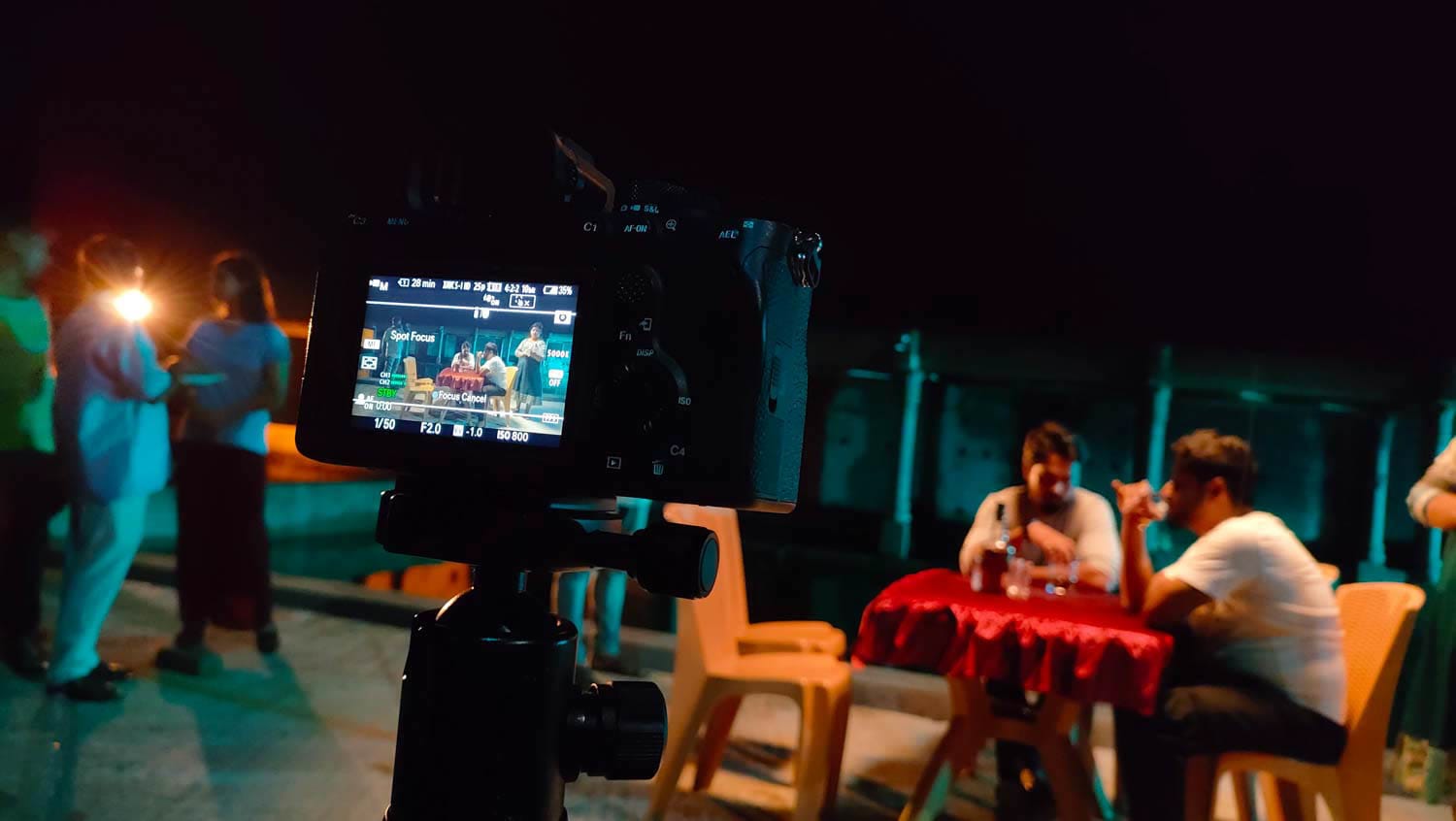
Understanding the Commercial Film Production Process: From Business Strategy to Cinematic Excellence
Every Exceptional Commercial Film Begins Long Before the Camera Rolls
Many people believe commercial filmmaking starts on the day of the shoot. In reality, the most successful advertising campaigns are built weeks before production begins. Careful planning, audience research, business analysis, creative development, budgeting, scripting, and production planning determine whether a commercial film becomes an effective marketing asset or simply another video.
Professional film production follows a structured workflow that minimizes risk, improves efficiency, maintains creative consistency, and ensures every decision supports measurable business objectives. Rather than treating filmmaking as an isolated creative exercise, experienced production companies align every stage with marketing, branding, customer psychology, and long-term business growth.
Step 1: Business Discovery & Strategic Consultation
Every project should begin with understanding the business—not the equipment. Before discussing cameras, lighting, or locations, professional filmmakers invest time learning about the client's products, services, target audience, competitors, marketing goals, customer challenges, and long-term vision.
This discovery process establishes the foundation for every creative decision. When filmmakers understand the business, they can produce content that not only looks impressive but also communicates the right message to the right audience at the right time.
Questions Every Professional Production Team Should Ask
- Who is the ideal customer?
- What problem does the business solve?
- What makes the brand different?
- Where will the commercial be published?
- What action should viewers take?
- How will campaign success be measured?
- What emotions should the audience feel?
- What message should viewers remember?
Step 2: Audience Research & Market Analysis
Effective advertising is built on understanding people. Research helps identify customer expectations, buying behaviour, online habits, demographic trends, industry developments, and competitive positioning. These insights guide creative decisions throughout the production process.
Instead of creating content based on assumptions, successful campaigns are developed using real business insights. This increases relevance, improves engagement, and helps brands communicate more effectively with their intended audience.

Step 3: Creative Strategy & Concept Development
Once business objectives and audience insights are clearly defined, creative teams begin developing concepts that communicate the brand's message in a compelling and memorable way. The strongest ideas balance creativity with strategic marketing, ensuring every visual decision supports the campaign's objectives.
During this stage, mood boards, creative references, messaging frameworks, visual styles, campaign themes, and storytelling concepts are explored before selecting the direction that best represents the brand.
Creativity without strategy is art. Creativity supported by strategy becomes powerful marketing.
Step 4: Scriptwriting & Story Development
A well-written script provides the blueprint for the entire production. It defines dialogue, scene progression, pacing, emotional tone, messaging, and calls to action while ensuring the story remains focused on business objectives rather than unnecessary complexity.
Professional scriptwriting combines storytelling with marketing psychology, making every second of screen time meaningful and relevant to the audience.
Step 5: Storyboarding & Production Planning
Storyboards convert written ideas into visual plans. They outline camera angles, shot composition, movement, lighting direction, transitions, talent positioning, and scene sequencing, allowing every department to work toward a shared creative vision.
Detailed production planning also includes scheduling, budgeting, location scouting, casting, equipment preparation, permits, logistics, and contingency planning. These activities reduce delays and improve production efficiency.

How Steller Chronicles Approaches Pre-Production
At Steller Chronicles, pre-production is where every successful project begins. Our team collaborates closely with clients to understand their goals, identify their audience, develop creative concepts, and prepare a detailed production roadmap before filming starts.
This structured workflow reduces uncertainty, improves communication, and ensures that every creative decision—from scripting and cinematography to editing and delivery—supports the client's business objectives rather than simply producing visually attractive footage.
Successful commercial filmmaking is built on preparation. The more thoughtful the planning process, the more powerful, efficient, and effective the final production becomes.
Related Case Studies
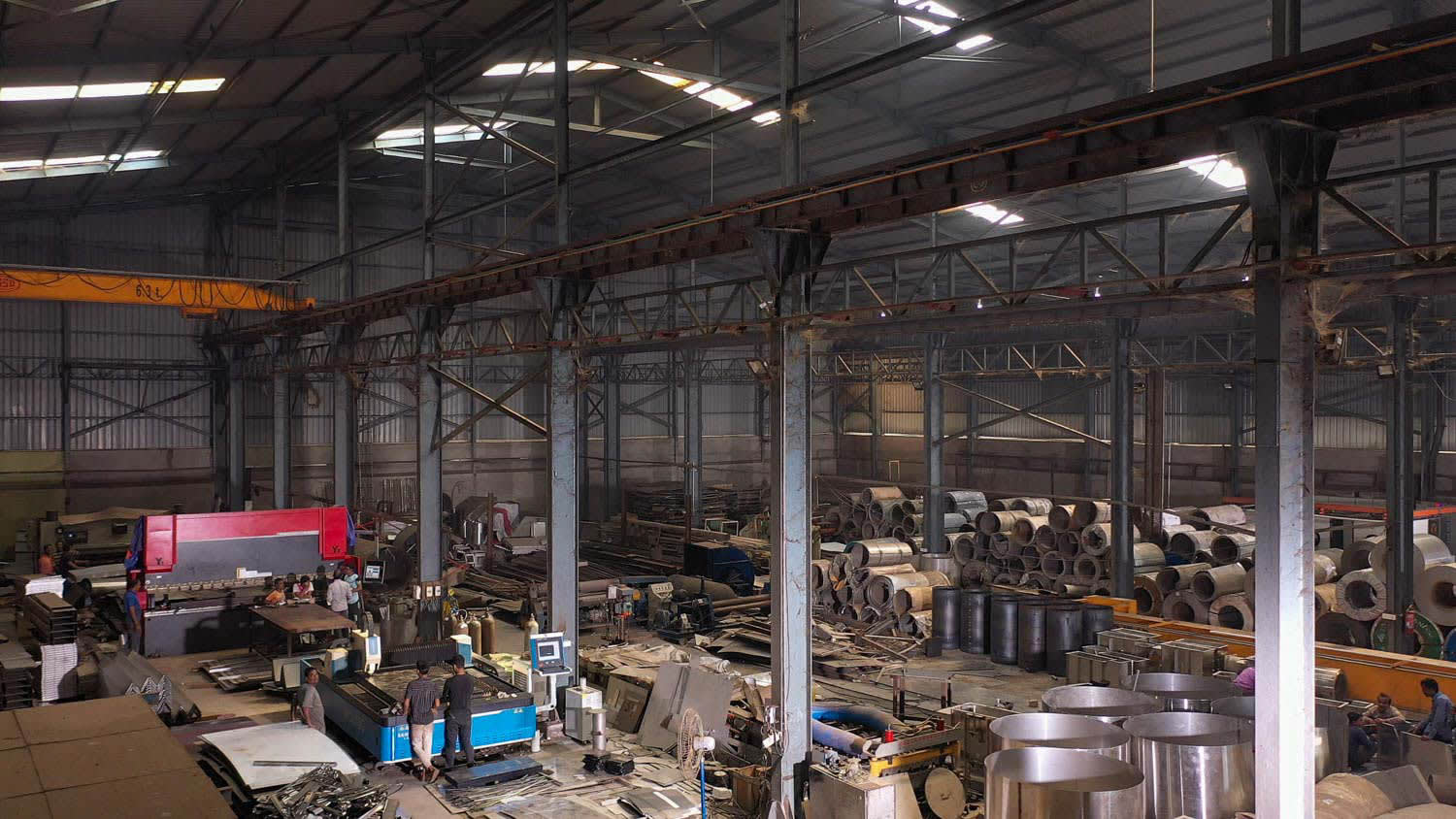
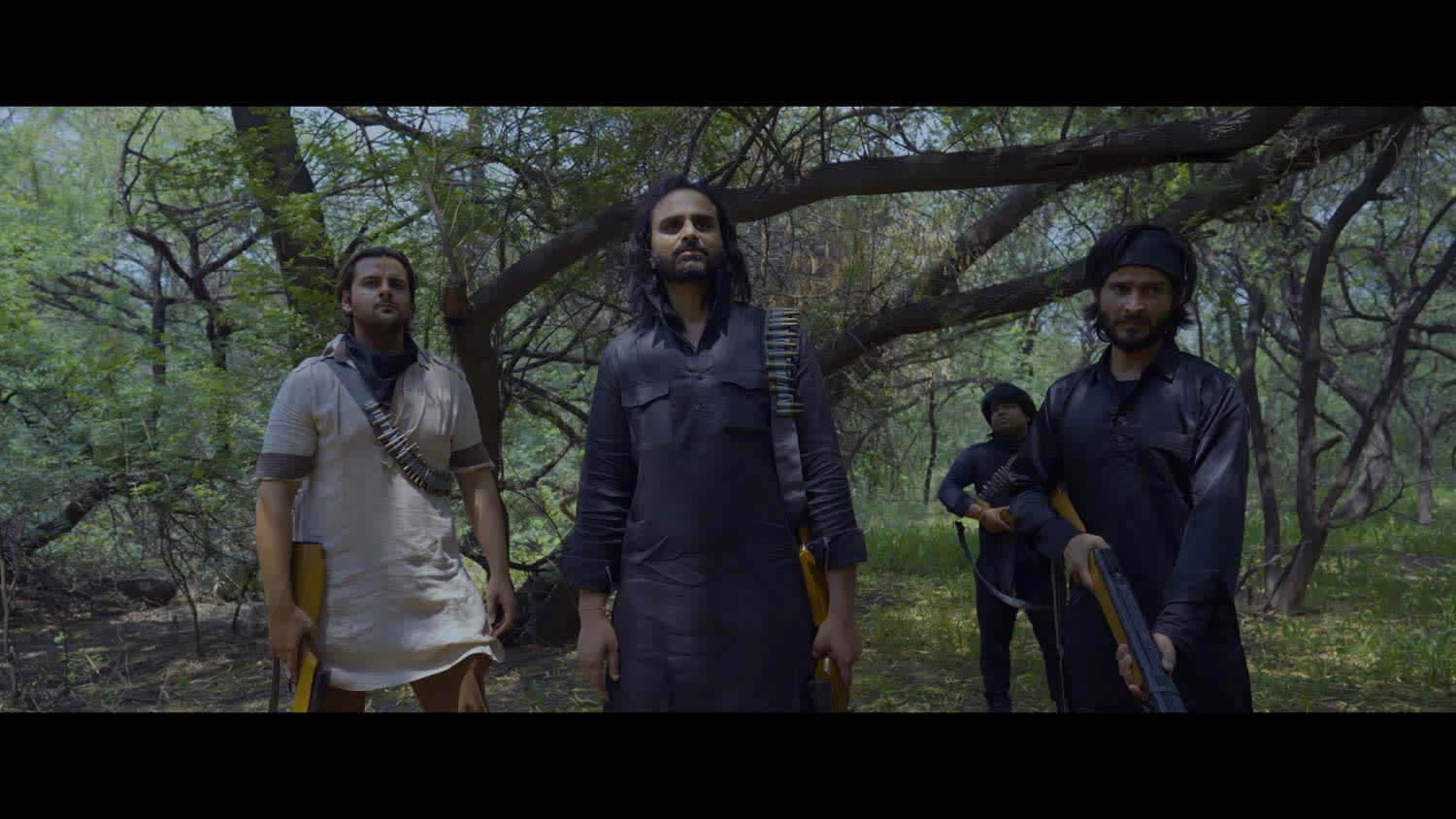
See how these principles come to life in real client projects.

Ready to create something extraordinary?
Let's discuss your vision and bring it to life with world-class production.