
Professional Commercial Film Production: Cinematography, Directing & Visual Storytelling That Captivates Audiences (Part 3)
Production Day: Where Strategy Becomes Powerful Visual Communication
Once research, planning, scripting, and pre-production are complete, the project moves into the production phase. This is where ideas, strategy, and creativity are transformed into compelling visual stories. Every decision made on set—from camera placement and lighting to actor direction and sound recording—contributes to how audiences perceive a brand.
Successful production is not about capturing random footage. Every shot should support a clear business objective while strengthening emotional engagement, brand credibility, and customer confidence.
The Director: Leading the Creative Vision
The director is responsible for translating the approved concept into a compelling visual narrative. While the client defines business goals, the director ensures those goals are expressed through storytelling, performance, composition, pacing, and emotion.
Every department—from cinematography and lighting to production design and post-production—works together under a unified creative vision. This collaboration ensures that every scene contributes to the campaign rather than existing simply for visual appeal.
Responsibilities of a Commercial Film Director
- Creative leadership
- Visual storytelling
- Performance direction
- Shot composition
- Creative continuity
- Brand consistency
- Production quality control
- Client collaboration
A great director doesn't simply capture beautiful footage—they guide every creative decision toward achieving a meaningful business outcome.
Cinematography: The Language of Visual Storytelling
Cinematography determines how audiences experience a commercial. Lens selection, framing, depth of field, movement, perspective, colour, and composition all influence emotion and shape how viewers perceive a product or brand.
Wide cinematic shots communicate scale and ambition, while close-up imagery highlights craftsmanship, product quality, and genuine human emotion. Every composition should reinforce the message rather than distract from it.
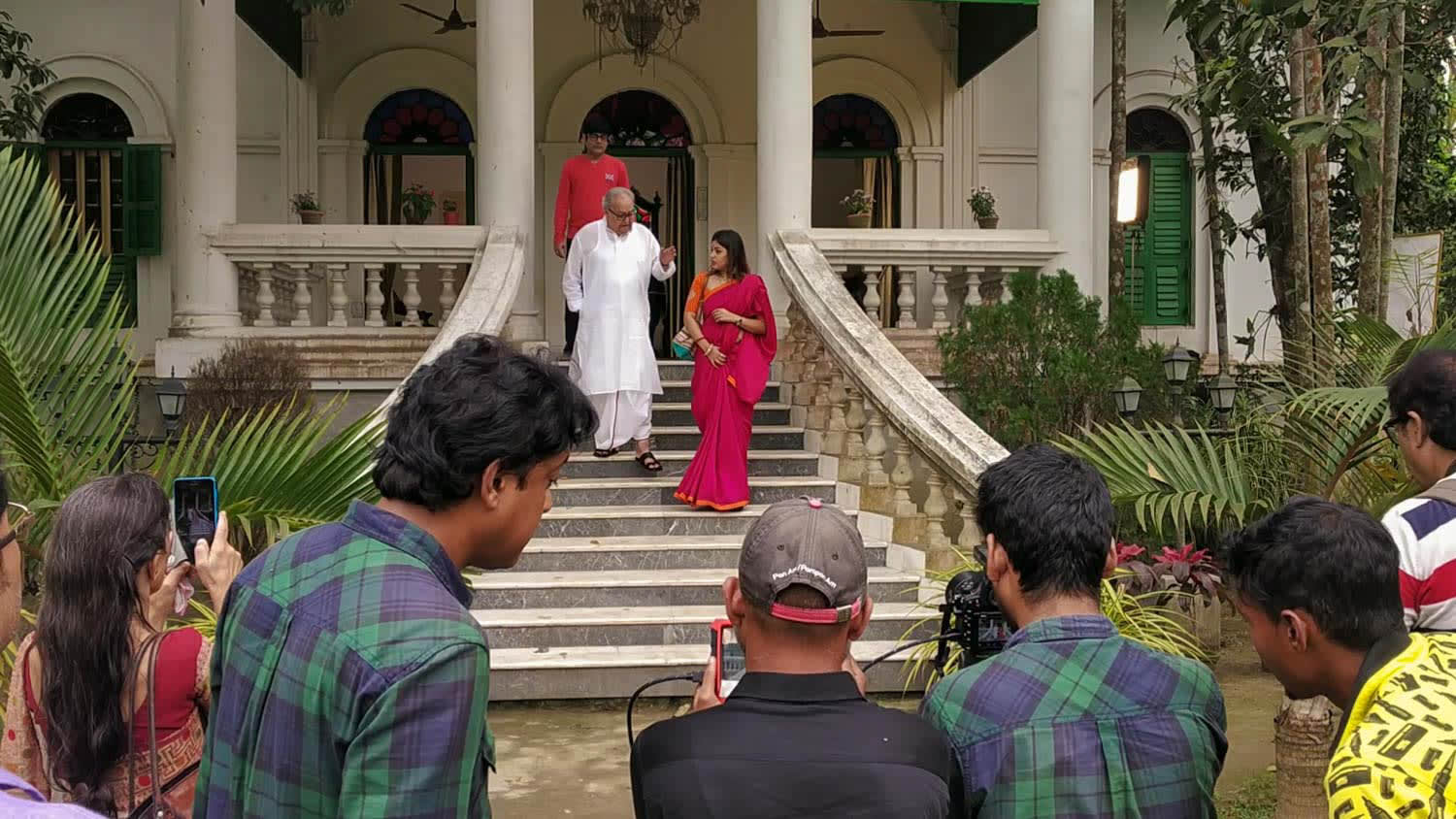
Professional Lighting Shapes Emotion & Brand Perception
Lighting is one of the most influential elements in commercial filmmaking. It establishes mood, enhances product presentation, improves colour accuracy, and directs the viewer's attention toward the most important visual information.
Whether creating a luxury brand campaign, a healthcare commercial, a fashion film, or a corporate documentary, lighting decisions influence how audiences emotionally respond to every scene.
Lighting Objectives
- Create mood
- Guide viewer attention
- Improve skin tones
- Highlight products
- Maintain consistency
- Support storytelling
Common Lighting Styles
- Natural lighting
- Soft cinematic lighting
- High-key lighting
- Low-key lighting
- Practical lighting
- RGB creative lighting
Camera Movement That Guides the Audience
Motion creates energy, rhythm, and perspective. Rather than moving the camera for visual effect alone, professional filmmakers use movement to reveal information, follow action, establish scale, and strengthen emotional engagement.
Smooth gimbal shots, cinematic tracking sequences, slider movements, crane shots, handheld realism, and slow-motion cinematography each serve different storytelling purposes. Choosing the right technique depends entirely on the narrative and the intended audience response.

Collaboration Is the Foundation of Every Successful Production
Commercial filmmaking is a collaborative process involving producers, directors, cinematographers, lighting technicians, production designers, makeup artists, stylists, sound engineers, drone operators, editors, and clients. Each specialist contributes unique expertise that supports the final production.
Clear communication throughout production minimizes delays, maintains quality, and allows creative teams to solve challenges efficiently while keeping the project aligned with business objectives.
How Steller Chronicles Approaches Production
At Steller Chronicles, production is guided by one principle: every frame should have a purpose. Our team carefully plans camera movement, lighting, composition, performance, and visual pacing to ensure every scene contributes to the story while reinforcing the client's brand identity.
By combining cinematic craftsmanship with strategic marketing objectives, we create commercial films that not only look exceptional but also communicate effectively, engage audiences, and support measurable business growth.
Exceptional cinematography is never about expensive equipment alone. It is the result of thoughtful planning, creative collaboration, technical precision, and a clear understanding of the story the brand wants to tell.
Related Case Studies
See how these principles come to life in real client projects.


Ready to create something extraordinary?
Let's discuss your vision and bring it to life with world-class production.